
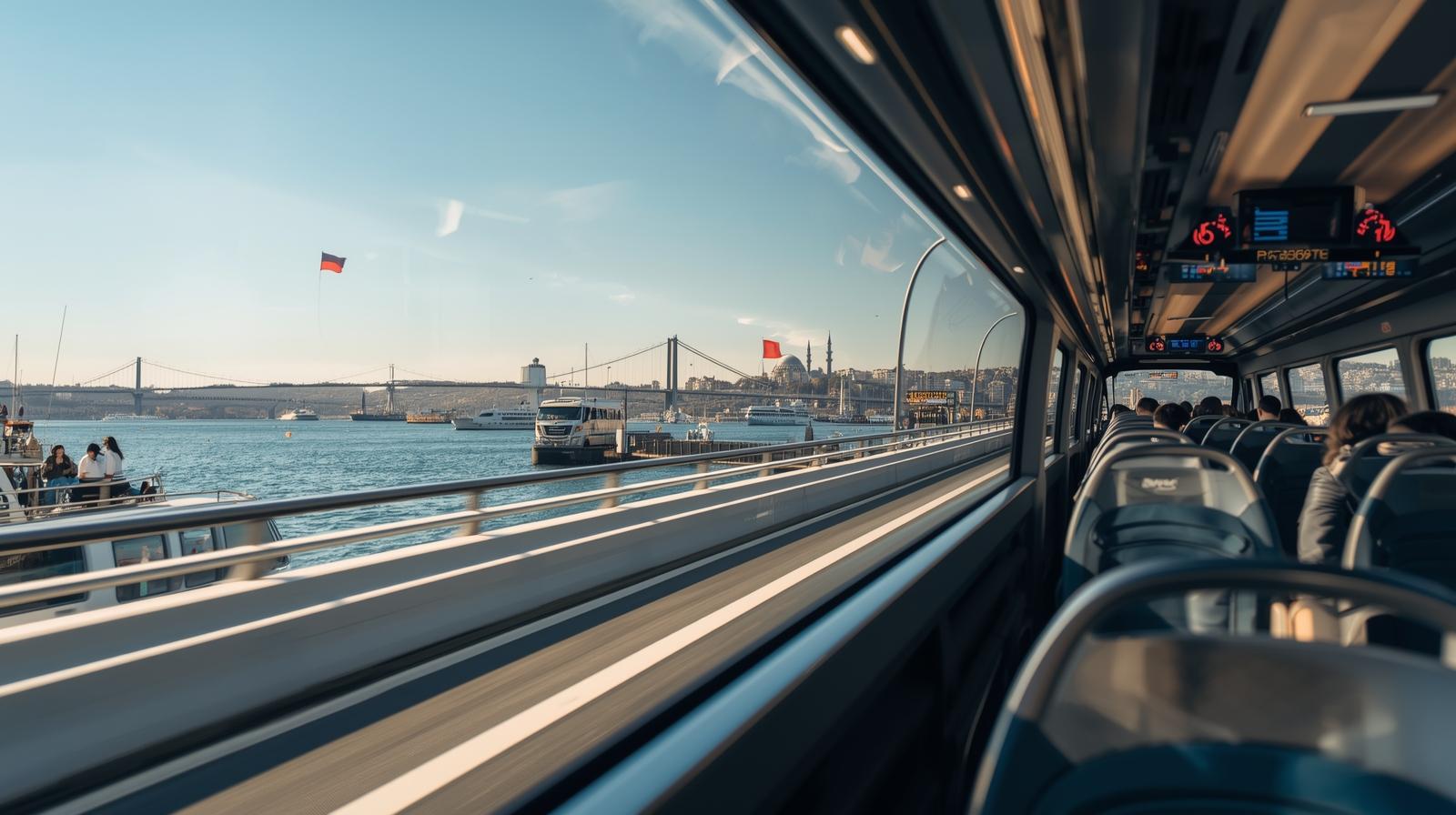
Taksim Guide
İstanbul Transfer from Sabiha Gökçen Airport to Taksim
Answer-first
İstanbul Transfer from Sabiha Gökçen Airport to Taksim Istanbul is a city of sharp contrasts, where historic neighborhoods meet modern districts across two continents. Taksim sits at the heart of the European side, acting as a gateway to Beyoğlu, Galata, and many of the city’s cultural landmarks. Prices for airport transfers to Taksim typically start from €48 depending on vehicle type and route.
Key takeaways
İstanbul Transfer from Sabiha Gökçen Airport to Taksim
Istanbul is a city of sharp contrasts, where historic neighborhoods meet modern districts across two continents. Taksim sits at the heart of the European side, acting as a gateway to Beyoğlu, Galata, and many of the city’s cultural landmarks.
Many travelers arrive through Sabiha Gökçen Airport, especially those coming from Asia, the Middle East, or low-cost European routes. Reaching Taksim from this airport requires crossing a large, complex city, which makes understanding transfer options an important part of planning a smooth arrival.
Key Takeaways
- Sabiha Gökçen Airport is on Istanbul’s Asian side.
- Taksim lies on the European side, across the Bosphorus.
- Distance is roughly 45–50 kilometers.
- Travel time varies heavily by traffic and time of day.
- Multiple transport options exist, each with trade-offs.
- Late-night arrivals require extra planning.
What Airport Do You Fly Into Taksim?
Taksim itself does not have an airport, but it is commonly accessed from two main airports serving Istanbul.
Sabiha Gökçen Airport (SAW)
Sabiha Gökçen Airport is located on the Asian side of Istanbul, near the Pendik and Kurtköy districts. It mainly handles domestic flights and a high number of international short- and medium-haul routes. Travelers landing here often underestimate the distance to central European-side areas like Taksim.
Istanbul Airport (IST)
Istanbul Airport sits on the European side, much closer to Taksim in geographic terms. However, many travelers still arrive at Sabiha Gökçen due to flight availability or scheduling, making cross-city transfers unavoidable.
How Far Is the Airport From Taksim?
The journey from Sabiha Gökçen Airport to Taksim is longer than it appears on a map.
Distance and Geography
The straight-line distance is around 35 kilometers, but road travel usually covers 45 to 50 kilometers. The route crosses densely populated districts and typically includes at least one Bosphorus crossing.
Typical Travel Time
Under ideal conditions, the journey can take about 60 minutes. During peak traffic hours, especially weekday mornings and evenings, travel time often extends to 90 minutes or more. Weather, roadworks, and accidents can add further delays.
Best Ways to Get From the Airport to Taksim
There is no single “best” option for everyone. The right choice depends on arrival time, luggage, familiarity with the city, and personal comfort expectations.
Public Buses
Havabus services connect Sabiha Gökçen Airport with central areas, including Taksim. They operate on set schedules and follow fixed routes. Travel times can be long during traffic, and space for large luggage is limited during busy periods.
Metro and Public Transport Connections
Reaching Taksim by public transport requires multiple changes. Typically, this involves the metro from the airport area, followed by Marmaray or another metro line, and finally a funicular or bus. This option works best for travelers familiar with Istanbul’s transport system and traveling light.
Taxis
Taxis are available outside the terminal at all hours. While convenient, journey duration depends entirely on traffic, and routes may vary. Communication can be challenging if you do not speak Turkish, especially when explaining specific drop-off points in Taksim.
Private Airport Transfers
Private transfers offer a direct route from the airport to your accommodation or nearby drop-off point. They eliminate the need for navigation or transfers between vehicles, which is often appreciated after a long flight.
Is Private Airport Transfer Worth It in Taksim?
For many travelers, the value lies less in speed and more in predictability.
Traffic Awareness
Local drivers understand which bridges or tunnels are faster at different times of day. This local knowledge can help avoid unnecessary delays, especially during rush hours or major events in the city.
Door-to-Door Convenience
Taksim is surrounded by narrow streets, pedestrian zones, and hotels located on slopes. Being dropped close to your accommodation can save considerable effort, particularly with luggage.
Reduced Arrival Stress
After landing in a busy airport, having a planned transfer removes uncertainty. This is especially relevant for first-time visitors who may find Istanbul overwhelming at arrival.
Things Travelers Should Know Before Arriving in Taksim
Taksim is lively, central, and constantly changing, but it also comes with practical challenges.
Traffic Is Unpredictable
Even locals cannot always predict traffic conditions accurately. Planning extra buffer time is essential, especially if you have onward plans or reservations.
Road Access Limitations
Some streets around Taksim Square are restricted or pedestrian-only. Vehicles may stop a short walking distance from your accommodation.
Late-Night Activity
Taksim remains active well into the night. While this adds to its appeal, it also means congestion and noise at most hours.
Traveling With Family, Groups, or Special Needs
Different travel situations change what matters most during an airport transfer.
Families With Children
Traveling with children often means carrying strollers, extra bags, and managing fatigue. A single, uninterrupted journey helps maintain routine and reduces stress after a flight.
Groups and Multiple Travelers
Coordinating several people on public transport can be difficult, particularly during busy hours. Keeping everyone together simplifies arrival logistics.
Large or Special Luggage
Musical instruments, sports equipment, or oversized suitcases are hard to manage on buses and metros. Space and handling become key considerations.
Late-Night or Early-Morning Arrivals
Public transport options are limited during late hours. Reliability and safety become more important when arriving at night or before dawn.
Practical Tips for a Smooth Arrival
Small details can make a noticeable difference when arriving in Istanbul.
Plan Around Rush Hours
If possible, avoid arriving between 7:30–10:00 AM and 4:30–7:30 PM on weekdays.
Keep Your Address Handy
Save your accommodation’s address in Turkish. This helps avoid confusion, especially in older neighborhoods.
Expect Walking at the End
Even with direct transport, short walks are common in Taksim due to traffic rules and street layouts.
Stay Aware of Your Surroundings
Taksim is generally safe, but it is busy. Keep personal belongings secure, especially when tired after travel.
Frequently Asked Questions
How long does it take to get from Sabiha Gökçen Airport to Taksim?
Travel time usually ranges from 60 to 90 minutes. Heavy traffic or adverse weather can extend the journey further. Planning extra time is recommended.
Is the route from the airport to Taksim safe?
The route itself is safe and heavily used by locals and visitors. Normal urban precautions are sufficient. Travel conditions do not change significantly at night.
Can I reach Taksim using only public transport?
Yes, but it requires multiple transfers. This option is best suited for travelers familiar with Istanbul’s transport network. Large luggage can make the journey difficult.
Are taxis available at Sabiha Gökçen Airport 24/7?
Yes, taxis operate around the clock at the airport. Availability is generally good, even during late-night hours. Travel time still depends on traffic conditions.
Is English commonly spoken by drivers?
Basic English is sometimes spoken, but it is not guaranteed. Having your destination written down helps avoid misunderstandings. Translation apps can also be useful.
What should I expect if I arrive late at night?
Traffic is usually lighter, but some roads may be closed for maintenance. Public transport options are limited. Planning your transfer in advance reduces uncertainty.
Can I pay for transport without cash?
Many transport options accept cards, but not all. It is wise to carry some local currency. Payment methods can vary depending on the service used.
How much walking is involved upon arrival in Taksim?
This depends on your exact destination. Some hotels are located on pedestrian streets or hills. Short walks are common even after vehicle drop-off.
Is Taksim suitable for travelers with mobility issues?
Taksim has uneven sidewalks and slopes. Access can be challenging in certain areas. Planning the final drop-off point carefully helps reduce difficulties.
Do transfers run during holidays and weekends?
Yes, transport services operate year-round. Traffic patterns may change during holidays. Travel times can be shorter or longer depending on local movement.
Conclusion
Traveling from Sabiha Gökçen Airport to Taksim is a significant part of arriving in Istanbul, not just a short commute. The distance, traffic, and city layout all influence how smooth that first experience feels. With realistic expectations and thoughtful planning, reaching Taksim can be straightforward and set the tone for a comfortable stay in the city.
Frequently asked questions
How much is an airport transfer to Taksim?
Fixed-price private transfers to Taksim start from €48. Final price depends on vehicle class, passenger count and route.
Which vehicles are available for transfers to Taksim?
Available options typically include standard sedans, premium vans and VIP people carriers. The exact vehicle list depends on the route and passenger count.
Is the transfer price to Taksim per person?
No. Prices are per vehicle, not per person. You reserve the entire vehicle for your party.