
Transfer Guide
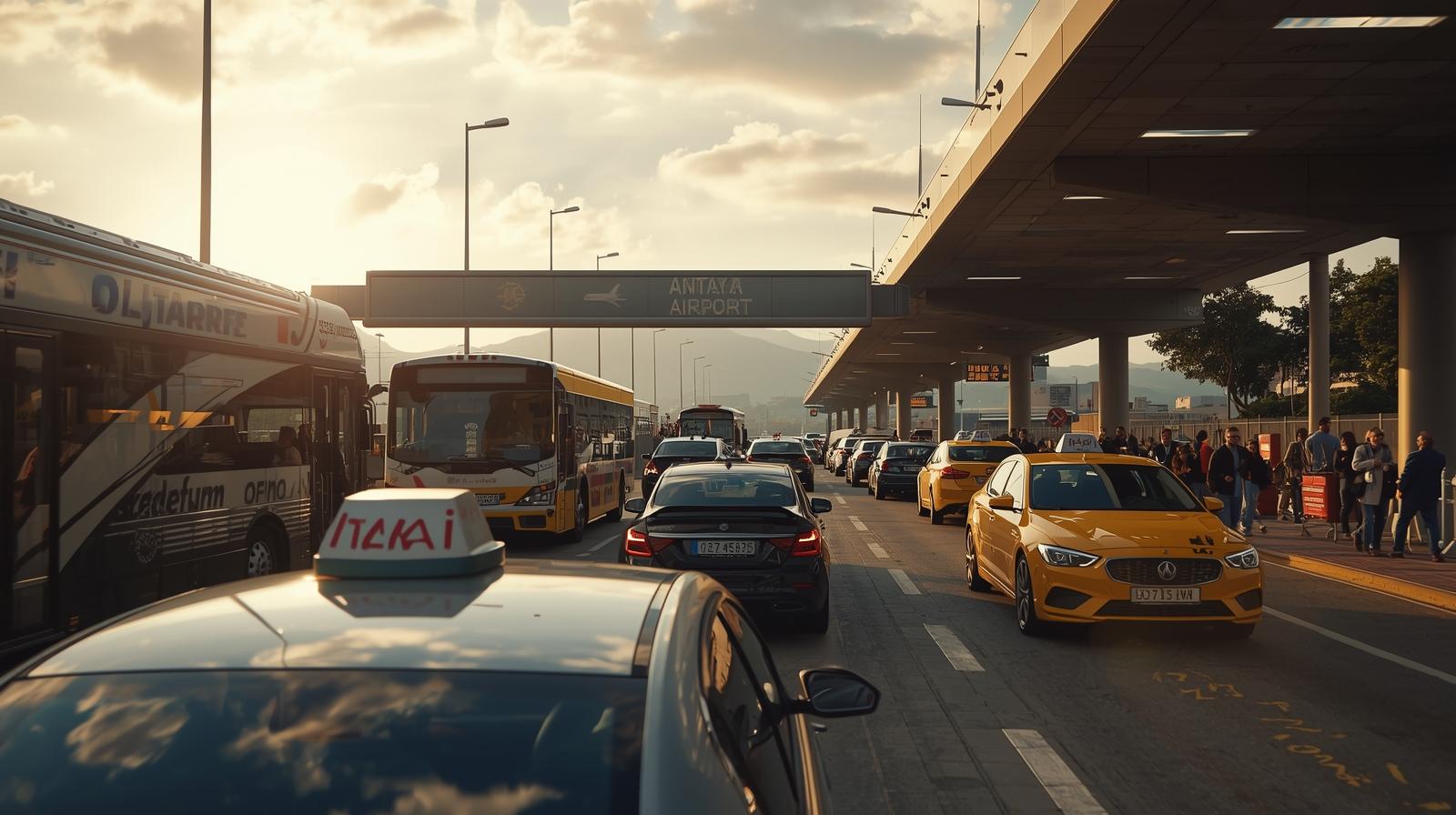
Public Transport vs Taxi From Antalya Airport
Answer-first
Public Transport vs Taxi From Antalya Airport Antalya sits on Turkey’s Mediterranean coast, combining long beaches, ancient ruins, and busy resort towns. Most visitors arrive by air because distances from major cities are long and road travel is slow.
Key takeaways
Public Transport vs Taxi From Antalya Airport
Antalya sits on Turkey’s Mediterranean coast, combining long beaches, ancient ruins, and busy resort towns. Most visitors arrive by air because distances from major cities are long and road travel is slow.
Antalya Airport is the main gateway for both international and domestic travelers. How you leave the airport matters more than many expect, especially in peak season, late at night, or when heading to resort areas rather than the city center.
Key Takeaways
- Antalya Airport serves city and resort destinations.
- Public transport works best for light luggage.
- Taxis are common but conditions vary.
- Travel time depends heavily on traffic.
- Resort areas are far from the city.
- Late arrivals need planning.
- Group travel changes the equation.
What Airport Do You Fly Into Antalya?
Antalya Airport (AYT) is located east of the city center and operates two international terminals and one domestic terminal. It is one of the busiest airports in Turkey during spring and summer due to tourism demand.
Flights arrive from across Europe, the Middle East, and major Turkish cities. Many passengers continue directly to coastal resorts rather than staying in central Antalya, which affects transport choices significantly.
How Far Is the Airport From Antalya?
The airport is about 13 kilometers from Antalya city center. Under light traffic, the drive can take 20 minutes, but congestion during peak hours can easily double that.
Distances increase sharply when traveling to resort areas. Lara Beach is close, but destinations like Belek, Side, or Kemer require longer road journeys, often on highways shared with tour buses.
Best Ways to Get From the Airport to Antalya
Public Buses
Municipal buses connect the airport with parts of the city. They are reliable, clean, and follow fixed routes, but they are designed mainly for locals, not travelers with heavy luggage.
Stops may be outside the terminal, and routes do not serve most hotels or resort areas directly. Transfers are often required, which adds time and complexity after a flight.
Tram (AntRay)
The airport tram line connects to the city center and the main bus station. It is useful for travelers staying near tram stops or continuing by intercity bus.
The tram does not reach beach resorts or hotel zones. Walking distances from stations can be long, especially in summer heat.
Taxis
Taxis are available outside all terminals, day and night. They offer direct travel without transfers, which appeals to tired travelers or those unfamiliar with the area.
However, journey time and comfort depend on traffic, driver experience, and communication. During peak arrivals, queues can form, and not all drivers are familiar with every resort address.
Is Private Airport Transfer Worth It in Antalya?
For travelers heading beyond the city center, direct transport becomes more important. Resort towns are spread along the coast, and public options rarely go door to door.
A dedicated transfer avoids route changes, waiting times, and navigation issues. This is particularly noticeable for first-time visitors or arrivals outside normal daytime hours.
Things Travelers Should Know Before Arriving in Antalya
Seasonal Traffic Patterns
Summer traffic in Antalya is intense. Charter flights arrive in waves, often at the same time, which affects roads leading out of the airport.
Travel times during July and August are rarely predictable. Early morning and late-night arrivals usually face fewer delays.
Airport Layout
Terminals are large and busy, especially international arrivals. Exiting the building can take time due to passport control, baggage claim, and crowd flow.
Public transport stops are not always immediately visible. Signage exists but may be overlooked when tired or rushed.
Language and Communication
Basic English is common in tourist areas, but less so on local buses or trams. Understanding routes and stops requires attention.
Taxi drivers usually know major hotels but may struggle with smaller accommodations or private rentals.
Traveling With Family, Groups, or Special Needs
Families with children often find public transport challenging after a flight. Stairs, crowded vehicles, and limited space for strollers are common issues.
Groups traveling together face similar constraints. Splitting into multiple taxis or navigating transfers adds coordination problems, especially late at night.
Travelers with mobility needs or extra luggage should consider vehicle access, step height, and storage space. Not all public options are suitable, particularly during busy periods.
Practical Tips for Arriving at Antalya Airport
Carry small bills or a contactless payment option for public transport. Machines and drivers may not accept large notes.
Avoid rushing into transport decisions immediately after exit. Take a moment to confirm directions, distances, and timing.
Keep accommodation details accessible, including district and nearby landmarks. This helps avoid confusion, especially outside the city center.
Expect heat in summer, even late at night. Waiting outside for transport can be uncomfortable without water.
Frequently Asked Questions
Is public transport from Antalya Airport safe?
Yes, buses and trams are generally safe and used daily by locals. Like any busy transport, keep an eye on personal belongings.
How long does it take to reach Antalya city center?
Travel time ranges from 20 to 45 minutes, depending on traffic and transport method. Summer congestion can extend this further.
Can I use public transport at night?
Public transport runs on reduced schedules late at night. Some routes stop entirely after midnight.
Are taxis available 24 hours?
Yes, taxis operate around the clock at Antalya Airport. Availability is usually good, even late at night.
Do taxis accept card payments?
Some taxis accept cards, but not all. It is safer to have an alternative payment option available.
Is it easy to reach beach resorts by bus or tram?
Most beach resorts are not directly served by public transport from the airport. Transfers are usually required.
What if my flight arrives very late?
Late arrivals have fewer public transport options. Planning transport in advance reduces uncertainty.
Can I travel with large luggage on public transport?
Large suitcases are allowed but can be inconvenient during busy hours. Space is limited on buses and trams.
Are taxis familiar with all hotels?
Drivers usually know major hotels and resorts. Smaller accommodations may require additional directions.
Is traffic worse during certain months?
Traffic peaks between June and September. National holidays also increase congestion.
Conclusion
Arriving in Antalya is straightforward, but onward travel deserves thought. Distances, traffic, and destination type all influence the experience.
Understanding how public transport and taxis function helps travelers start their stay calmly. A smooth arrival sets the tone for everything that follows in this busy Mediterranean region.