
Transfer Guide
How to Plan a Smooth Arrival at Antalya Airport
Answer-first
How to Plan a Smooth Arrival at Antalya Airport Antalya sits on Turkey’s Mediterranean coast, backed by the Taurus Mountains and known for its mix of beaches, ancient ruins, and modern resorts. The city stretches over a wide area, with hotels and holiday towns spread far beyond the central districts.
Key takeaways
How to Plan a Smooth Arrival at Antalya Airport
Antalya sits on Turkey’s Mediterranean coast, backed by the Taurus Mountains and known for its mix of beaches, ancient ruins, and modern resorts. The city stretches over a wide area, with hotels and holiday towns spread far beyond the central districts.
Most travelers arrive by air because Antalya is several hours from other major Turkish cities by road. Antalya Airport is the main gateway, handling millions of international and domestic passengers each year. How you leave the airport often shapes your first impression of the region, especially after a long flight.
Key Takeaways
- Antalya Airport serves a large coastal region, not just the city center
- Travel times vary widely depending on your final destination
- Terminals are busy, especially in summer months
- Public transport exists but may involve transfers
- Late arrivals require extra planning
- Luggage size affects transport comfort
What Airport Do You Fly Into Antalya?
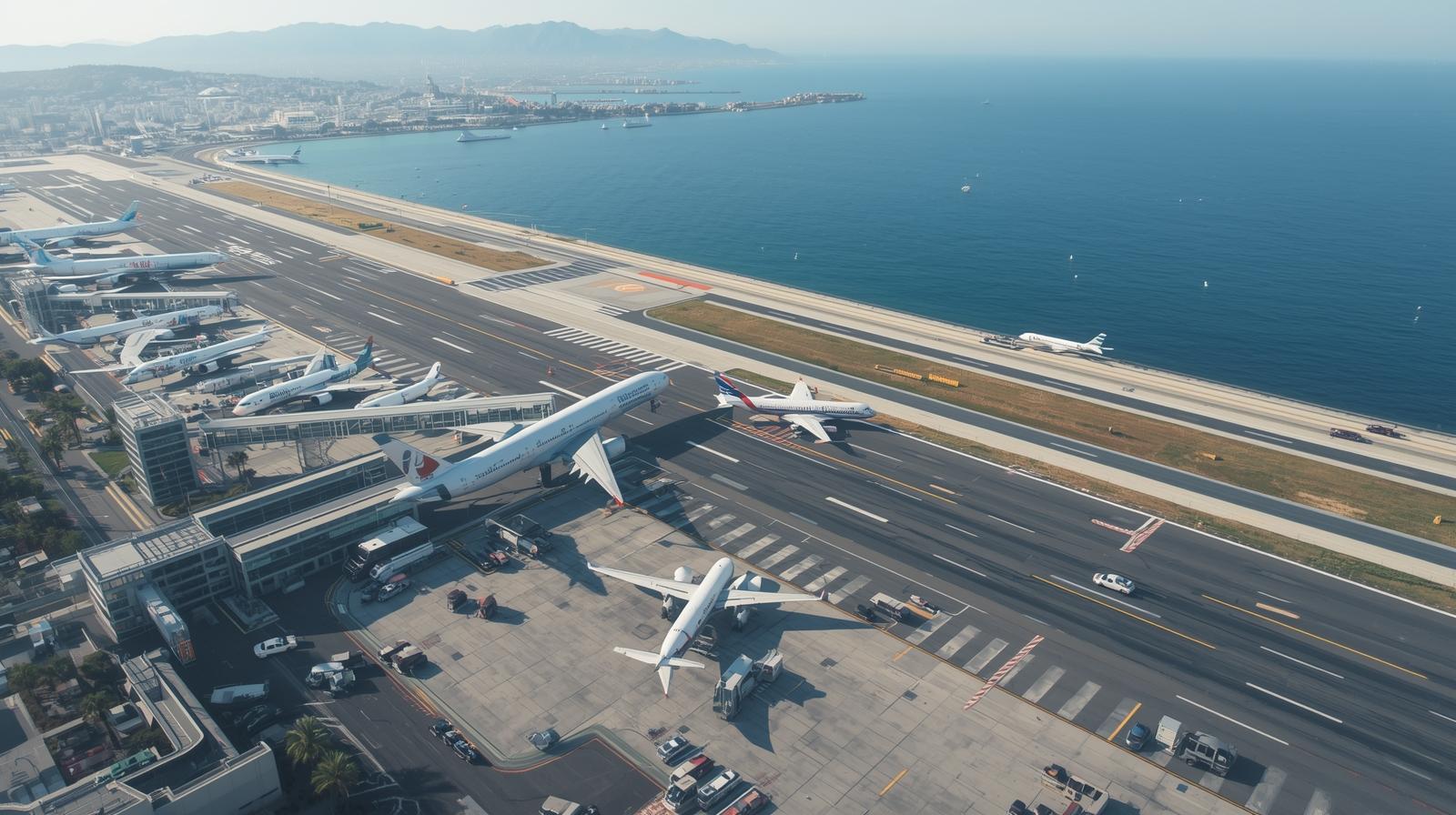
Antalya Airport (AYT) is the primary airport for the city and surrounding resort areas. It is one of Turkey’s busiest airports, particularly from May to October when tourism peaks.
The airport has two international terminals and one domestic terminal. International flights arrive from across Europe, the Middle East, and Russia, while domestic routes connect Antalya to Istanbul, Ankara, and other major cities.
The terminals are close to each other but still require attention when arranging onward transport. Meeting points, exit doors, and parking areas differ slightly depending on where you land.
How Far Is the Airport From Antalya?
Antalya City Center
Antalya Airport is about 13 kilometers from the city center. Under light traffic, the drive can take 20 minutes. During rush hours or summer season, it can easily stretch to 40 minutes.
The route is mostly urban, passing residential areas and main roads. Traffic signals and congestion are common, especially in the early evening.
Popular Resort Areas
Many visitors do not stay in central Antalya. Resorts are spread along the coast, and distances vary significantly.
- Lara Beach: around 15 kilometers, usually 20–30 minutes
- Belek: about 35 kilometers, roughly 40–50 minutes
- Side: approximately 65 kilometers, often 70–90 minutes
- Kemer: around 60 kilometers, mountain roads can slow travel
These distances matter when choosing transport, especially after a late-night flight.
Best Ways to Get From the Airport to Antalya
Public Bus and Tram Options
Antalya has public buses and a tram line connecting the airport to parts of the city. These options are used mainly by locals and budget travelers.
The tram links the airport with the city center but does not reach most resort areas. Buses require familiarity with routes, stops, and payment cards, which can be confusing for first-time visitors.
Taxi Services at the Airport
Taxis are available outside all terminals. They operate on meters and are regulated, but travel time and route choice can affect the final fare.
During busy periods, queues can be long. Larger groups or travelers with bulky luggage may find standard taxis cramped.
Shuttle and Shared Transfers
Shared shuttle services operate to popular hotels and resort zones. They follow fixed routes and schedules, which can increase total travel time due to multiple stops.
This option suits travelers arriving during daytime hours who do not mind waiting or sharing space with others.
Private Airport Transfers
Private transfers provide direct travel from the airport to your accommodation. Vehicles vary in size, allowing flexibility for families or groups.
This option is often chosen for convenience, predictable travel time, and reduced stress after landing.
Is Private Airport Transfer Worth It in Antalya?
Long Distances Between Resorts
Antalya’s resort areas are spread far apart. A direct transfer avoids unnecessary detours, especially when your hotel is outside the city.
For destinations like Side or Kemer, a straight route can make a noticeable difference in comfort.
Seasonal Traffic Considerations
Summer traffic around Antalya can be heavy. Knowing your route in advance helps avoid delays caused by unfamiliar roads.
Drivers experienced with airport routes tend to adapt better to seasonal congestion patterns.
Late-Night and Early-Morning Arrivals
Flights often land late at night or before sunrise. Public transport options are limited during these hours.
Having transport arranged in advance reduces waiting time and uncertainty at the terminal.
Things Travelers Should Know Before Arriving in Antalya
Airport Layout and Exit Flow
Antalya Airport can feel crowded, especially in peak season. Passport control and baggage claim may take longer than expected.
Once outside, different transport options are clearly separated, but signage may not always be intuitive for first-time visitors.
Weather and Seasonal Conditions
Summer temperatures can exceed 35°C. Stepping into heat after a flight can be tiring, especially with luggage.
In winter, rain can slow traffic, particularly on coastal and mountain roads.
Language and Communication
English is widely spoken in tourist areas, but not universally. Clear directions and confirmed addresses help avoid misunderstandings.
Having your hotel name and location written down is useful.
Traveling as a Family or Group in Antalya
Families With Children
Traveling with children often means extra luggage, strollers, or car seats. Space and safety become more important than speed alone.
Direct transport reduces the need for transfers, which can be challenging with tired kids.
Groups and Multiple Travelers
Groups benefit from traveling together rather than splitting into multiple vehicles. Coordinating arrivals and departures is easier when everyone stays together.
Larger vehicles also allow luggage to be stored securely without crowding passengers.
Late Flights and Overnight Arrivals
Arriving late can be disorienting in an unfamiliar airport. Fatigue increases the risk of mistakes or missed connections.
Reliable transport helps ensure you reach your accommodation without unnecessary delays.
Practical Tips for a Smooth Arrival
Prepare Your Address Clearly
Some hotels have similar names or multiple entrances. Confirm the exact location before arrival.
Screenshots or offline maps help if mobile data is limited.
Allow Extra Time in Summer
Peak season brings crowds, traffic, and longer processing times. Rushing rarely works at Antalya Airport during summer.
Build buffer time into your arrival plans.
Avoid Currency Stress at the Airport
Small expenses may arise, but large exchanges are rarely necessary on arrival. Airport exchange rates are often less favorable.
Planning ahead reduces pressure after landing.
Dress for the Climate
Light clothing helps during summer arrivals. Even late at night, temperatures can remain high.
Comfort matters when transitioning from flight to road travel.
FAQ
How long does it take to get from Antalya Airport to the city center?
Under normal conditions, the drive takes about 20 to 30 minutes. During peak hours or summer months, travel time can increase due to traffic. Planning extra time is recommended.
Is Antalya Airport safe for late-night arrivals?
Yes, the airport operates around the clock and is well-lit and staffed. Transport services are available at all hours. Late arrivals should still plan their onward travel in advance.
Are taxis easy to find at Antalya Airport?
Taxis are available outside all terminals. During busy periods, there may be waiting times. Vehicle size can be limited for large groups or lots of luggage.
Can I use public transport from the airport with luggage?
Public transport allows luggage, but space is limited during busy times. Trams and buses can become crowded. This may be uncomfortable after a long flight.
How far is Antalya Airport from popular resorts?
Distances range from about 15 to over 60 kilometers. Travel time depends on location and traffic conditions. Coastal and mountain routes can add delays.
Do drivers usually speak English?
Many drivers understand basic English, especially on airport routes. However, detailed explanations can be difficult. Clear addresses help avoid confusion.
Is it safe to travel with children from the airport?
Yes, Antalya is generally safe for families. Using suitable vehicles and proper seating improves comfort and safety. Planning ahead reduces stress.
What should I do if my flight is delayed?
Delays are common during peak travel seasons. Knowing your arrival time helps adjust transport plans. Flexibility is important when landing late.
Are night transfers slower than daytime ones?
Night traffic is usually lighter, so travel can be faster. However, visibility and fatigue may affect the experience. Reliable routes matter more at night.
Do I need cash for airport transport?
Some transport options accept cards, but not all. Having some local currency is helpful. Avoid relying entirely on cash exchanges at the airport.
Conclusion
Arriving in Antalya is the start of a diverse travel experience, whether you are heading to a city hotel or a coastal resort. The airport serves a wide region, and distances can be deceiving without proper planning.
Understanding transport options, travel times, and local conditions helps ensure a calm and efficient arrival. With preparation, the journey from Antalya Airport becomes a smooth transition into your stay rather than a source of stress.